Informed Consent Documentation Checklist
Purpose and Instructions
This checklist ensures that proper informed consent is obtained and documented for medical procedures, treatments, and research participation. It serves two purposes:
- For Healthcare Providers: Verify compliance with informed consent requirements
- For Patients/Advocates: Review whether proper consent was obtained
Legal Standard: Informed consent requires that a patient receive adequate information to make an informed decision about their care, including risks, benefits, and alternatives.
Part A: Pre-Procedure Informed Consent Checklist
For Healthcare Providers
Patient Information
| Field | Information |
|---|---|
| Patient Name | ______________________________________________ |
| Date of Birth | ______________________________________________ |
| Medical Record Number | ______________________________________________ |
| Date of Consent | ______________________________________________ |
| Procedure/Treatment | ______________________________________________ |
| Performing Provider | ______________________________________________ |
| Provider Credentials | ______________________________________________ |
Section 1: Capacity Assessment
Does the Patient Have Decision-Making Capacity?
A patient with capacity must be able to:
☐ Understand - Patient can comprehend the information provided about the condition, proposed treatment, risks, benefits, and alternatives
☐ Appreciate - Patient recognizes how the information applies to their own situation
☐ Reason - Patient can weigh options and consider consequences
☐ Communicate - Patient can express a choice
Capacity Determination
☐ Patient HAS decision-making capacity
- Consent obtained from patient
☐ Patient LACKS decision-making capacity (document reason below)
- Consent obtained from surrogate decision-maker
If capacity lacking, reason:
☐ Minor (under age of consent)
☐ Cognitive impairment
☐ Altered mental status
☐ Unconscious/unresponsive
☐ Sedation/intoxication
☐ Psychiatric condition
☐ Other: ______________________________________________
Surrogate Decision-Maker (if applicable)
| Field | Information |
|---|---|
| Surrogate Name | ______________________________________________ |
| Relationship to Patient | ______________________________________________ |
| Legal Authority | ☐ Healthcare POA ☐ Court-Appointed Guardian ☐ Next of Kin ☐ Other: _________ |
| Contact Information | ______________________________________________ |
| Documentation Verified | ☐ Yes Copy on file: ☐ Yes |
Section 2: Information Disclosure Checklist
Required Disclosures (Check when discussed with patient)
Diagnosis/Condition:
☐ Patient's diagnosis or medical condition explained in understandable terms
☐ Natural course of condition if untreated explained
☐ Patient's questions about diagnosis answered
Proposed Procedure/Treatment:
☐ Name of procedure/treatment stated
☐ Purpose of procedure/treatment explained
☐ Description of what will occur during procedure explained
☐ Expected duration of procedure discussed
☐ Type of anesthesia/sedation explained (if applicable)
☐ Who will perform the procedure identified
☐ Whether trainees/residents will participate disclosed
Benefits:
☐ Expected benefits of procedure explained
☐ Likelihood of success discussed
☐ How procedure will address patient's condition explained
Risks:
☐ Common/frequent risks disclosed
☐ Serious/significant risks disclosed (even if rare)
☐ Risks specific to this patient's situation discussed
☐ Risk of death discussed (if applicable)
☐ Risk of disability discussed (if applicable)
Alternatives:
☐ Alternative treatment options presented
☐ Benefits of alternatives explained
☐ Risks of alternatives explained
☐ Option of no treatment/watchful waiting discussed
☐ Patient understands consequences of refusing treatment
Additional Disclosures (if applicable):
☐ Use of blood products discussed
☐ Use of implants/devices discussed
☐ Financial costs/out-of-pocket expenses discussed
☐ Post-procedure care requirements explained
☐ Recovery time and limitations discussed
☐ Follow-up appointments needed discussed
Section 3: Special Procedure Requirements
Surgical Procedures
☐ Specific surgical site identified and marked per protocol
☐ Laterality confirmed (right/left/bilateral) where applicable
☐ Surgical consent form completed with:
- Specific procedure name
- Specific site (level, location)
- Surgeon's name
- Date and time
☐ Additional procedures that may be needed discussed (scope of consent)
Anesthesia
☐ Anesthesia consent separate from surgical consent
☐ Type of anesthesia explained:
- ☐ General
- ☐ Regional (spinal/epidural)
- ☐ Local
- ☐ Sedation
☐ Anesthesia risks specific to patient discussed
☐ Anesthesiologist/CRNA identified
Blood Transfusion
☐ Blood transfusion consent obtained separately (if required by state/facility)
☐ Risks of transfusion explained:
- ☐ Transfusion reactions
- ☐ Infection transmission
- ☐ Volume overload
☐ Alternatives to transfusion discussed
☐ Religious/personal objections documented
Diagnostic Procedures
☐ Purpose of test explained
☐ How results will be used discussed
☐ Risks of procedure explained
☐ Risks of false positive/negative results discussed
☐ What happens if abnormal results found
Section 4: Documentation Requirements
Consent Form Elements
The written consent form should include:
☐ Patient identification (name, DOB, MRN)
☐ Specific procedure name (not abbreviations)
☐ Specific site/location (if applicable)
☐ Name of performing physician
☐ Statement that procedure was explained
☐ Statement that risks/benefits/alternatives discussed
☐ Statement that patient had opportunity to ask questions
☐ Statement of voluntary consent
☐ Patient/surrogate signature
☐ Date and time of signature
☐ Witness signature (if required)
☐ Physician/provider signature
☐ Interpreter signature (if used)
Progress Note Documentation
☐ Consent discussion documented in medical record
☐ Specific risks discussed noted
☐ Patient's questions documented
☐ Patient's understanding confirmed documented
☐ If surrogate used, reason documented
☐ Interpreter use documented (if applicable)
Section 5: Special Circumstances
Language Barriers
☐ Patient's primary language identified: ______________________________________________
☐ Qualified medical interpreter used (not family member for consent)
☐ Interpreter's name and credentials documented
☐ Consent form in patient's language (if available)
☐ Interpreter verified patient's understanding
☐ Interpreter signature on consent form
Hearing/Vision Impairment
☐ Accommodations made: ______________________________________________
☐ Communication method documented
☐ Patient demonstrated understanding
Cognitive or Literacy Limitations
☐ Information provided at appropriate level
☐ Visual aids/diagrams used (if helpful)
☐ Teach-back method used to verify understanding
☐ Additional time provided for questions
Emergency Situations
If emergency exception to informed consent applies:
☐ Patient unable to consent
☐ No surrogate available
☐ Delay would increase risk to life or health
☐ Two physicians certified emergency (if required by state)
☐ Emergency documented in medical record
☐ Attempts to locate surrogate documented
☐ Consent obtained as soon as possible after emergency
Section 6: Refusal of Treatment
If Patient Refuses Recommended Treatment
☐ Informed refusal documented
☐ Consequences of refusal explained and documented
☐ Patient demonstrates understanding of consequences
☐ Refusal form signed (if available)
☐ Patient advised they may reconsider at any time
☐ Alternative care options offered
☐ Follow-up plan discussed
Section 7: Withdrawal of Consent
If Patient Withdraws Previously Given Consent
☐ Right to withdraw honored
☐ Consequences of withdrawal explained
☐ Point of no return explained (if procedure already underway)
☐ Withdrawal documented in medical record
☐ Alternative care offered
Part B: Patient Self-Checklist
For Patients: Verify Your Informed Consent
Use this checklist to ensure you received proper informed consent before a procedure
Before You Sign, Did You Receive Information About:
Your Condition:
☐ I understand what medical condition I have
☐ I understand what will happen if I don't have treatment
The Procedure:
☐ I know the name of the procedure
☐ I understand what will happen during the procedure
☐ I know who will perform the procedure
☐ I know how long the procedure takes
☐ I understand what kind of anesthesia I will receive
Benefits:
☐ I understand how this procedure will help me
☐ I understand the likelihood of success
Risks:
☐ I was told about common side effects and complications
☐ I was told about serious but rare complications
☐ I understand the risks specific to my situation
Alternatives:
☐ I was told about other treatment options
☐ I understand the option of not having treatment
☐ I was able to compare options
Questions:
☐ I had the opportunity to ask questions
☐ My questions were answered to my satisfaction
☐ I was not rushed
Voluntariness:
☐ I am making this decision freely
☐ No one is pressuring me to agree
☐ I understand I can change my mind
Red Flags - You May NOT Have Proper Informed Consent If:
☐ You were asked to sign consent forms without explanation
☐ You were not told about risks
☐ You were not given alternatives
☐ Your questions were dismissed or ignored
☐ You felt pressured to sign
☐ You signed while under the influence of medication affecting judgment
☐ A family member signed when you were capable of signing yourself
☐ The consent form is blank or incomplete
☐ You signed in a language you don't fully understand without an interpreter
☐ You signed immediately before the procedure without time to consider
Part C: Post-Event Consent Documentation Review
For Attorneys/Advocates: Reviewing Consent Documentation
Use this section when reviewing whether proper informed consent was obtained
Documents to Request
☐ Signed consent form(s)
☐ Pre-procedure progress notes
☐ Nursing notes from consent discussion
☐ Anesthesia consent (if applicable)
☐ Blood consent (if applicable)
☐ Patient education materials provided
☐ Interpreter documentation (if applicable)
☐ Advance directive/healthcare POA (if surrogate consented)
Consent Form Review
| Element | Present? | Adequate? | Notes |
|---|---|---|---|
| Patient identification | ☐ Yes ☐ No | ☐ Yes ☐ No | ______ |
| Specific procedure named | ☐ Yes ☐ No | ☐ Yes ☐ No | ______ |
| Site/laterality (if applicable) | ☐ Yes ☐ No | ☐ Yes ☐ No | ______ |
| Physician identified | ☐ Yes ☐ No | ☐ Yes ☐ No | ______ |
| Risks mentioned | ☐ Yes ☐ No | ☐ Yes ☐ No | ______ |
| Benefits mentioned | ☐ Yes ☐ No | ☐ Yes ☐ No | ______ |
| Alternatives mentioned | ☐ Yes ☐ No | ☐ Yes ☐ No | ______ |
| Patient signature | ☐ Yes ☐ No | ☐ Yes ☐ No | ______ |
| Date and time | ☐ Yes ☐ No | ☐ Yes ☐ No | ______ |
| Witness signature | ☐ Yes ☐ No | ☐ Yes ☐ No | ______ |
| Provider signature | ☐ Yes ☐ No | ☐ Yes ☐ No | ______ |
Timing Analysis
| Question | Answer |
|---|---|
| When was consent signed? | ______________________ |
| How long before procedure? | ______________________ |
| Was patient medicated at signing? | ______________________ |
| Was there adequate time to consider? | ______________________ |
Potential Issues Identified
☐ Consent form incomplete
☐ Wrong procedure listed
☐ Wrong site listed
☐ Signed by inappropriate person
☐ Signed too close to procedure time
☐ Patient incapacitated at signing
☐ No documentation of discussion
☐ Material risks not disclosed
☐ No documentation of alternatives discussed
☐ Language barrier not addressed
☐ Other: ______________________________________________
State-Specific Requirements Reference
Note: Informed consent requirements vary by state. Key variations include:
| Requirement | Varies By State |
|---|---|
| Which procedures require written consent | Yes |
| Specific disclosures required | Yes |
| Who can witness consent | Yes |
| Surrogate consent hierarchy | Yes |
| Minor consent (age, emancipation) | Yes |
| Waiting periods | Some states |
| Special procedure requirements (abortion, sterilization, etc.) | Yes |
Research your state's specific requirements.
Resources
- CMS Hospital Conditions of Participation: 42 CFR 482.13
- HHS Informed Consent Checklist (Research): https://www.hhs.gov/ohrp/regulations-and-policy/guidance/checklists/
- FDA Informed Consent Guidance: https://www.fda.gov/regulatory-information/search-fda-guidance-documents/informed-consent
- State Medical Practice Acts: [State-specific]
- The Joint Commission Standards: Accreditation manuals
This checklist is provided for informational purposes only and does not constitute legal advice. Requirements vary by state and by type of procedure. Consult with healthcare legal counsel or risk management for specific guidance.
Do more with Ezel
This free template is just the beginning. See how Ezel helps legal teams draft, research, and collaborate faster.
AI that drafts while you watch
Tell the AI what you need and watch your document transform in real-time. No more copy-pasting between tools or manually formatting changes.
- Natural language commands: "Add a force majeure clause"
- Context-aware suggestions based on document type
- Real-time streaming shows edits as they happen
- Milestone tracking and version comparison
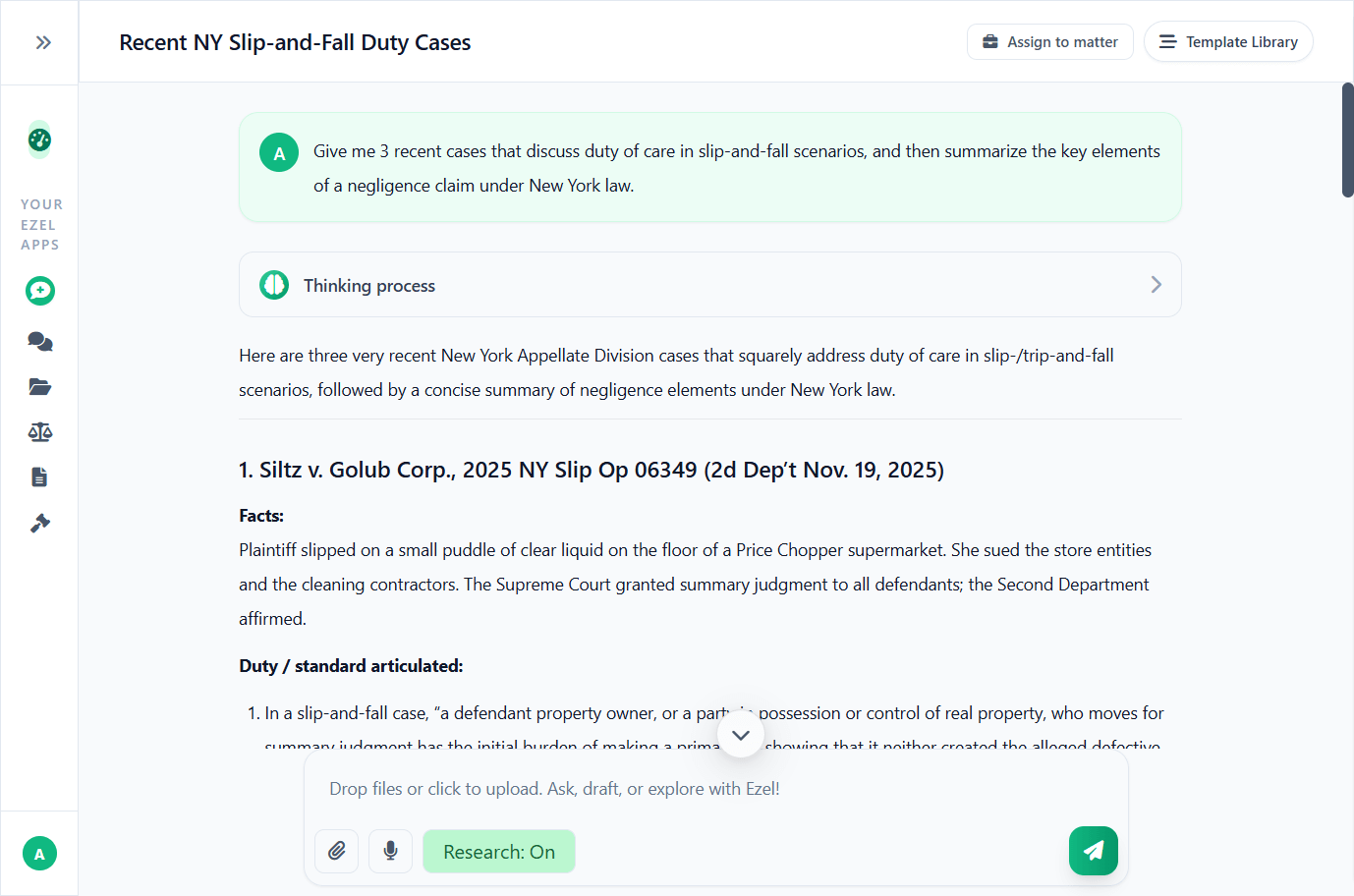
Research and draft in one conversation
Ask questions, attach documents, and get answers grounded in case law. Link chats to matters so the AI remembers your context.
- Pull statutes, case law, and secondary sources
- Attach and analyze contracts mid-conversation
- Link chats to matters for automatic context
- Your data never trains AI models
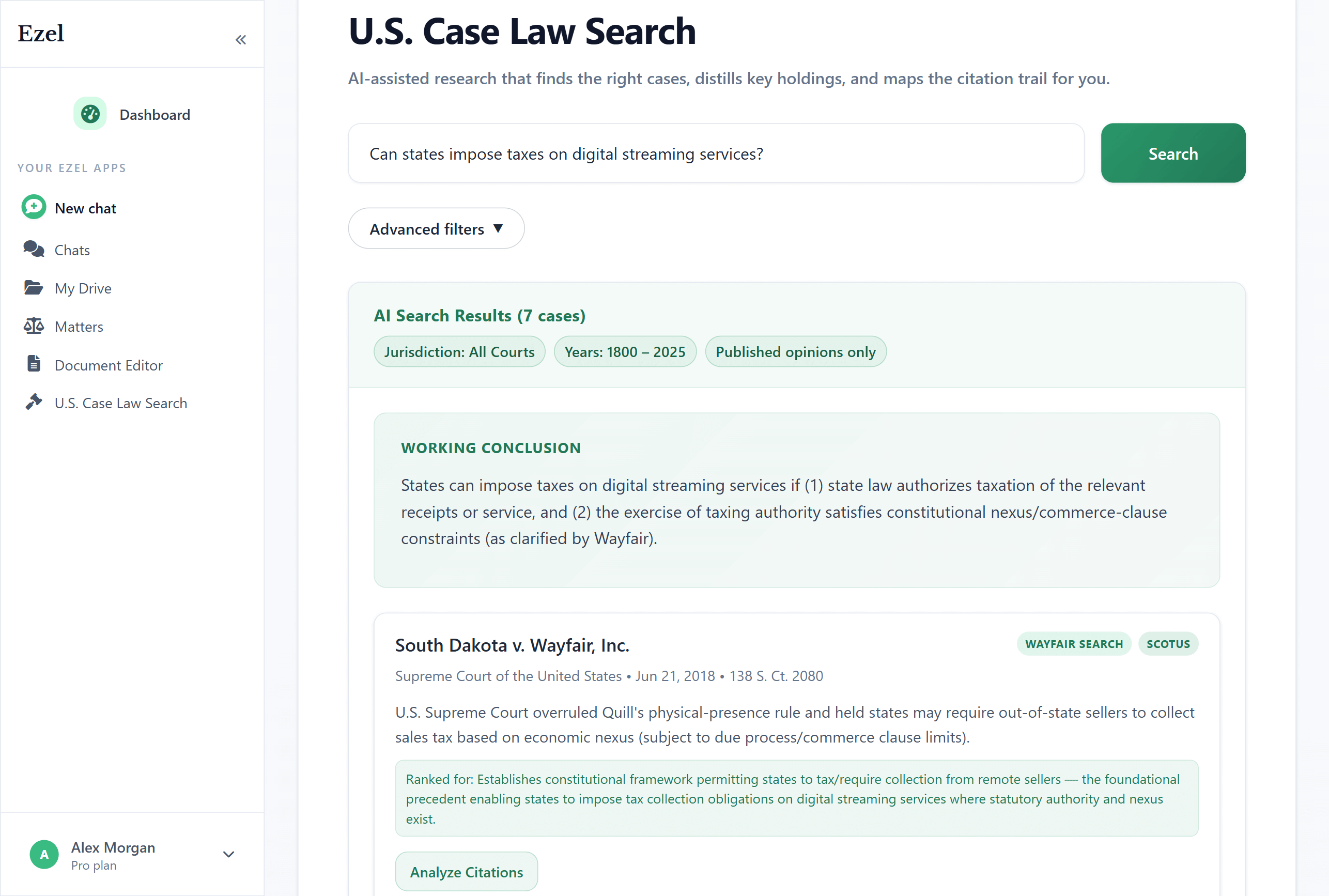
Search like you think
Describe your legal question in plain English. Filter by jurisdiction, date, and court level. Read full opinions without leaving Ezel.
- All 50 states plus federal courts
- Natural language queries - no boolean syntax
- Citation analysis and network exploration
- Copy quotes with automatic citation generation
Ready to transform your legal workflow?
Join legal teams using Ezel to draft documents, research case law, and organize matters — all in one workspace.